Ending an abusive or high-conflict relationship is rarely as simple as packing a bag and walking away. For many survivors, the physical separation marks the transition from direct control to post-separation abuse. When an abusive partner loses direct personal access, they often weaponise legal systems, financial demands, and high-conflict communications to prolong stress and cause emotional devastation.
What Is Post-Separation Abuse?
Post-separation abuse occurs when a former partner uses ongoing tactics to maintain power, instil fear, and exhaust the survivor’s resources. Recognised under updated legal frameworks like the UK Domestic Abuse Act 2021, coercive and controlling behaviour can legally continue long after a couple has separated.
Common post-separation abuse tactics include:
- Litigation and Legal Abuse: Using court applications, threats of eviction, or endless legal correspondence to force financial strain and psychological exhaustion.
- Moving the Goalposts: Making informal settlement offers or financial promises, only to alter conditions or withdraw them repeatedly.
- Communication Overload & Threats: Sending intimidating emails or text messages, demanding immediate compliance, or using aggressive deadlines.
- Character Assassination & DARVO: Utilising Deny, Attack, and Reverse Victim and Offender tactics to portray themselves as the aggrieved party while discrediting your credibility.
The Psychological Toll of Legal Systems Harassment
Navigating court proceedings or legal notices in a state of chronic stress can trigger severe anxiety, panic attacks, and brain fog. When forced to negotiate without proper, trauma-informed support, especially across different legal systems or languages, the process can feel overwhelming.
In What Type of Man?, I document the raw reality of facing high-conflict legal pressures alone:
“Never attempt to resolve these complex legal situations yourself without representative support… All I ever wanted was to be given time to heal and rebuild without the constant threat over my head.”
Strategies for Protecting Yourself Post-Separation
- Shift to Written, Traceable Communication: Cease unrecorded phone calls. Keep all communication strictly in writing (email or dedicated co-parenting/legal communication platforms).
- Document Everything systematically: Use evidence-logging tools like MyOnRecord or organised digital folders to archive timestamps, emails, threats, and financial records chronologically.
- Establish Firm Grey Rock Boundaries: Keep communications strictly brief, factual, neutral, and matter-of-fact. Do not engage with emotional baiting, personal insults, or artificial deadlines.
- Seek Specialised Support: Connect with trauma-informed legal representatives, domestic abuse helplines, or specialised advocates who understand coercive control dynamics.
Book Relaunches December 1st & Free Download:
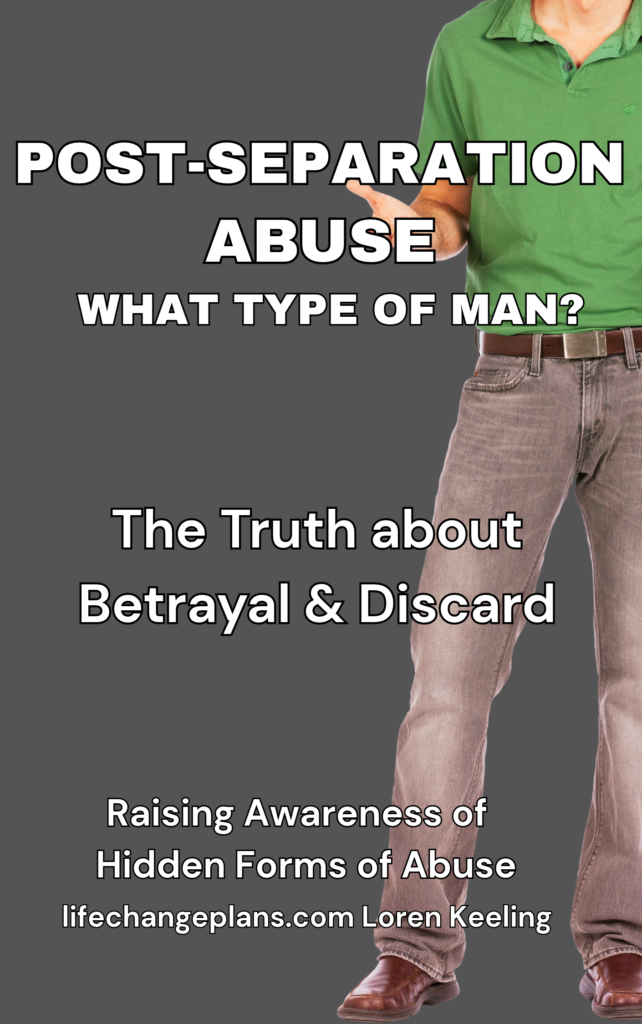
- Book: Post-Separation Abuse. The Truth about Betrayal & Discard
by Loren Keeling - Free Download: 10 Non-Negotiables Before Moving In or Marrying