
7 Lessons for Reclaiming Your Life
1. The Myth of the “Clean Break”
Many survivors walk away from a toxic relationship expecting a “clean break.” You’ve signed the papers and moved out, yet the chaos hasn’t stopped. If you feel like you are still at war, you aren’t “crazy.” You are likely experiencing Post-Separation Litigation Abuse.
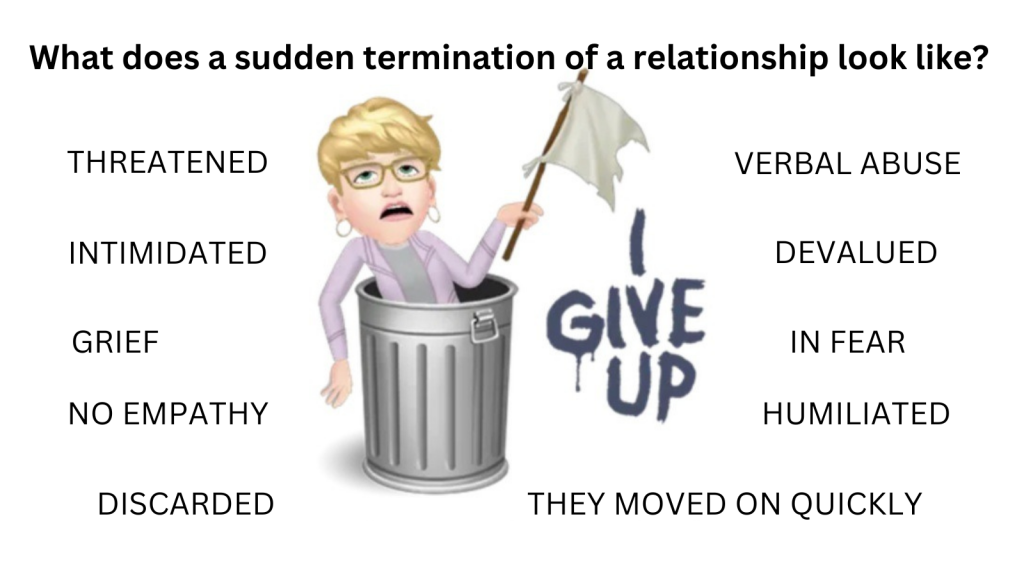
However, for those dealing with a partner exhibiting manipulative, narcissistic or Cluster B personality traits, the end of the relationship is often where a more calculated and exhausting phase begins. This is known as Post-Separation Litigation Abuse. If you feel like you are still at war even after leaving, you aren’t “crazy” and you aren’t alone. In many cases, the end of the relationship is by a clinical, cold termination, which I experienced and now call the four-sentence discard speech, which acts as the end of a shared life and morphs into a sophisticated campaign of destruction.
2. The Escalation: Why Leaving Isn’t Always the End
A common misconception is that things will naturally improve once the physical separation occurs. In reality, research suggests that up to 90% of women experience post-separation abuse.
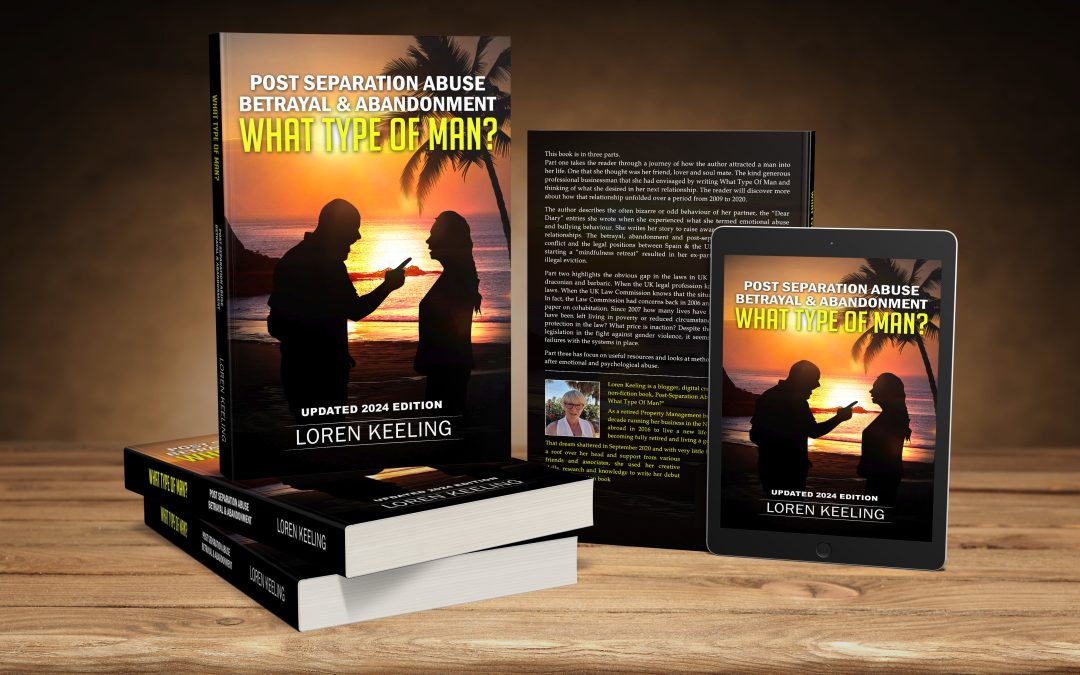
Resource Spotlight: If this sounds like your story, my book Post-Separation Abuse. Betrayal and Abandonment. What Type of Man? provides a deep dive into the verbatim transcripts of this behaviour.
To an abuser, your departure is not a respected boundary; it is a loss of control that triggers Narcissistic Rage. When the relationship is terminated, you stop being a “source of supply” and instead become a “target.” The abuse moves from behind closed doors into the public sphere, courtrooms, social media, and the digital world. This shift is designed to cause a loss of identity and profound self-doubt in the survivor.
“To a narcissist, divorce is a game of psychological warfare. To win, history must be rewritten, making them into both the victim and the hero… The person you were married to is gone, morphed into an evil stranger ready for war.” — Tracy A. Malone, Divorcing Your Narcissist
3. Litigation Abuse: The Courtroom Becomes a Weapon
Litigation Abuse occurs when the abuser weaponises the judicial system to maintain the harassment they can no longer perform at home. This strategy involves filing frivolous motions, constant changes in legal counsel, and making false allegations to drain your bank account and exhaust your spirit.
In Spain, survivors, specifically those in unmarried or cohabiting couples, often face a devastating “precarious trap” known as desahucio por precario (precarious eviction). This legal concept allows an owner to evict a long-term, financially dependent partner from a home they helped build but do not legally own. Because the law is often not fit for purpose for non-married partners, it creates a structural imbalance that abusers exploit. Furthermore, under Organic Law 1/2004, mediation is expressly prohibited in cases of intimate partner violence. Attempting to negotiate in these high-conflict scenarios is dangerous; the system frequently rewards the party with the most resources and the least conscience.
4. DARVO: How the Victim Becomes the “Offender”
Survivors often experience a disorienting role reversal known as DARVO: Deny, Attack, and Reverse Victim and Offender. The abuser will:
- Deny their abusive actions entirely.
- Attack your credibility and sanity.
- Reverse roles, claiming they are the ones being stalked or abused.
This tactic often utilises a “twisted speck of truth” wrapped in an elaborate lie. In modern post-separation abuse, this manifests through social media stalking and the use of screenshots to launch smear campaigns. By presenting these fragments out of context to friends, family, or the court, the abuser creates Cognitive Dissonance, leaving the survivor struggling to reconcile the “false dream” of the past with the current destructive reality.
5. Breaking the Trauma Bond.
The Trauma Bond is a psychological addiction to the cycle of love and hate, functioning similarly to drug withdrawal. Breaking this bond requires radical, proactive steps:
- Radical Acceptance: You must let go of all hope that the abuser will change. This means choosing to stop believing the false dream or illusion the abuser sold you during the relationship.
- “No Contact”: Ending the addiction requires blocking every avenue of contact to prevent “hoovering”, the abuser’s attempt to suck you back into the toxic cycle.
- External Verification: Because of Coercive Control and gaslighting, it is vital to record conversations, save emails, and keep a journal. These acts anchor you in reality when the abuser attempts to rewrite your shared history.
Stop waiting for them to “see the light.” Radical acceptance means acknowledging they will never change, which allows you to build impenetrable boundaries.
6. Your Self-Help Toolkit for Recovery
Recovery is a multi-layered approach that combines psychological release and the reclamation of identity. The following methods comprise a practical toolkit for survivors:
- Therapeutic Writing: Use the “I am angry that…” technique. Write repetitive sentences starting with this phrase to release “emotional steam” without holding back. These letters are for your eyes only and should never be sent.
- Physical and Vocal Release: Release pent-up resentment by pacing the floor, yelling unspoken feelings, or punching a pillow to express aggression safely.
- Ho’oponopono Prayer: This four-part meditation (“I’m sorry, Please forgive me, Thank you, I love you”) is a tool for your peace, not for the abuser’s benefit. It is used to release the “poison” of resentment.
- Searching for “Gold Nuggets”: Look back at traumatic events specifically to identify positive lessons or ways the experience made you stronger. Your anger can be transformed into your fight for justice. This shifts your narrative from victimhood to active growth.
- Morning Affirmations: Shift your focus with daily affirmations, especially those targeting financial recovery:
- “I am enough.”
- “I deserve happiness and success.”
- “Money comes to me in expected and unexpected ways.“
7. Shifting From a Label of “Disorder” to “Personal Injury”
Survivors of emotional and psychological abuse are often labelled with “disorders” like PTSD. However, a more empowering shift in language is required.
Viewing your state as a “Post-Traumatic Personal Injury” is a visceral change in perspective. While a “disorder” labels the victim as the one who is broken, “Personal Injury” correctly places the responsibility on the actions of the abuser. This allows you to view your recovery as a healing process from a wound inflicted by another person, rather than as an inherent flaw in your mind. Reclaiming identity through art, gardening, or movement helps recover the self-confidence that was systematically dismantled.
Turning Pain into Purpose: A Worldwide Mission
The journey of a survivor often transitions into the role of an advocate. By sharing the reality of Coercive Control, or Post Separation Legal abuse survivors shatter the silence that allows abuse to thrive.
Abusers use financial control to keep you tethered. My mission at Lifechangeplans is to help survivors achieve financial freedom through our Worldwide Mission.
Establishing a non-profit, with the registration of a CIC Community Interest Company, the aim is to help other survivors move from trauma to transformation and rebuild and recover financial independence. Book royalties, other revenue and commissions will become part of the funding resource to support this mission. turning the very story of the abuse into the engine for others’ freedom. This is a direct response to the “institutional betrayal” felt when the legal system fails those in crisis.
“Institutional betrayal in the criminal legal system is particularly powerful because victim/survivors typically interface with the criminal legal system during a moment of crisis… institutions are creating spaces where abuse is common and any attempt to report is silenced.” – Smith & Freyd (2013)
The legal system often fails those in crisis. As noted by Smith & Freyd (2013), “institutional betrayal” occurs when the very systems meant to protect you become tools for the abuser to silence you. Read more about how Spain looks at Institutional Sexist violence.
Conclusion: Your Future
The experience of post-separation abuse is a journey that requires a shift from victim to survivor who will not be silenced.
Your recovery should be built on three central pillars:
- Documentation: To combat gaslighting, keep a factual log. Every text, every late payment, and every missed visitation is evidence. File with Police (for information only) because it builds up a picture.
- Radical Acceptance: Stop waiting for the abuser to “see the light” and focus entirely on your own boundaries.
- Finding Your Tribe: Seek out communities that validate your experience and provide practical support.
To explore this journey in depth, refer to the book Post-Separation Abuse. Betrayal and Abandonment. What Type of Man? or visit the author’s book page for further recovery resources.
“As an Amazon Associate, LifeChangePlans benefits from qualifying purchases”